Home Staging Tips That Appeal to Buyers
Staging is not decorating. It is editing a home so a stranger can imagine living in it. Here is what actually moves the needle, room by room.
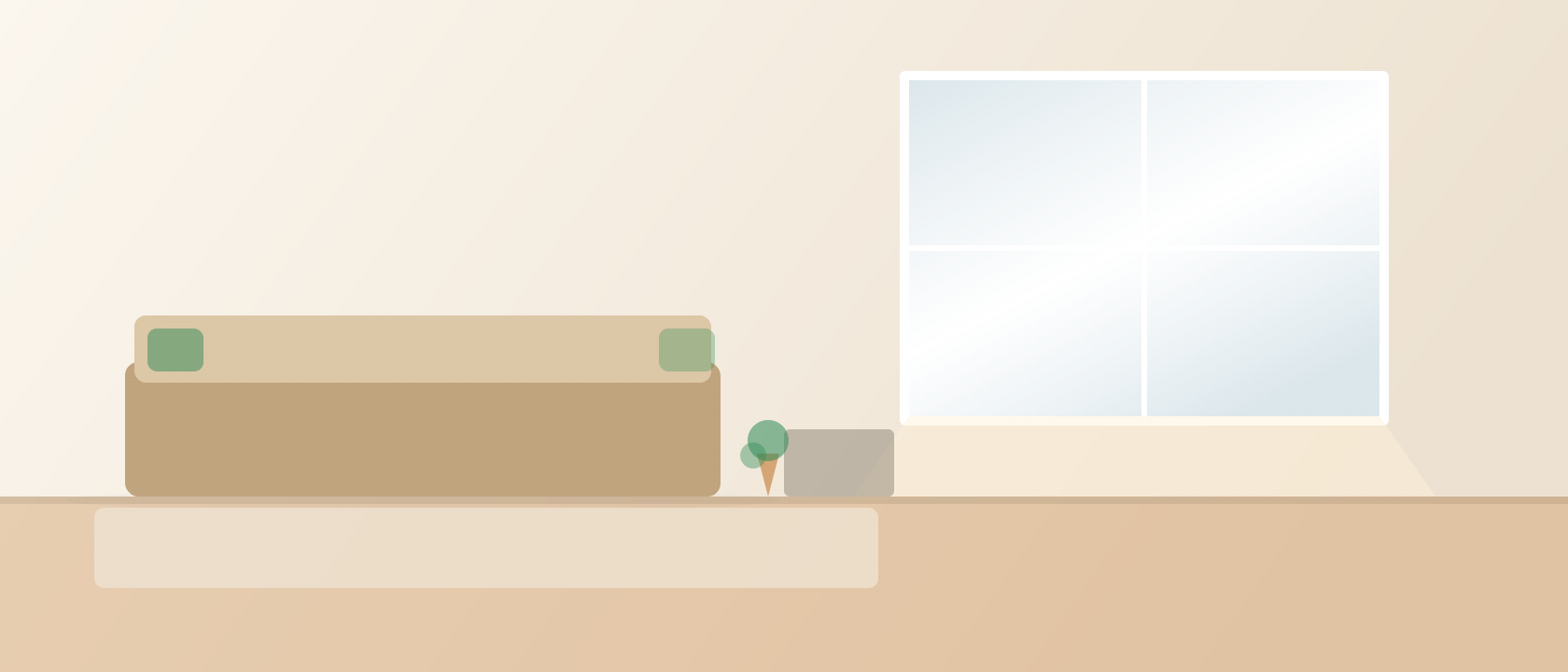
Good staging does three things: it makes rooms read larger, it clarifies each room's purpose, and it removes the current owner from the picture. Everything below serves one of those three goals.
The universal rules
- Pull furniture off the walls. A few inches of breathing room reads as more space, not less.
- Define a purpose for every room. An ambiguous room becomes "wasted space" in a buyer's mind. Even a small desk turns a nook into an office.
- Three light sources per room. Overhead, mid-level, and low. Rooms lit only from the ceiling photograph flat.
- Match bulb color temperature. Mismatched bulbs are the most common reason listing photos look amateur.
- Odd numbers, varied heights. Group accessories in threes at different heights rather than lines of matched objects.
- Leave counters nearly bare. Two or three intentional items maximum in a kitchen.
Room by room
Living room
Create a conversation grouping, not a television-facing row. Anchor with a rug large enough that the front legs of the seating sit on it — undersized rugs shrink a room visibly.
Kitchen
Clear everything, then add back a bowl of fruit, a cutting board, and perhaps a single small plant. Clean the range hood and the inside of the microwave; buyers open both.
Primary bedroom
Neutral bedding, symmetrical nightstands and lamps, nothing under the bed. Aim for hotel-calm rather than personal.
Bathrooms
New white towels used only for showings, no personal products visible, a fresh shower curtain, and re-caulked seams. Bathrooms are where buyers judge cleanliness hardest.
Home office and secondary rooms
If a room is currently storage, restore it to a legible purpose — guest room, office, nursery. Buyers assign value to bedrooms with beds in them.
What about professional staging?
Full staging of a vacant home commonly runs $2,000 to $6,000 for the first month plus monthly rental. It tends to pay for itself on vacant properties and higher-priced homes, where empty rooms photograph poorly and read smaller than they are. For occupied homes in reasonable condition, a two-hour consultation — often $150 to $400 — captures most of the benefit.
Curb appeal is staging too
The exterior sets the expectation for everything inside. Mow, edge, mulch, clear the gutters, wash the front windows, and put something living beside the front door.
Frequently asked questions
Does staging actually help a home sell?
Industry surveys consistently report that staged homes spend less time on market and that agents believe staging affects buyer perception of value. Results vary by market and price point; the effect is strongest on vacant homes.
Should I stage an empty house?
Usually yes, at least partially. Empty rooms photograph smaller, expose every flaw, and give buyers no sense of scale.
What colors should I paint to sell?
Warm neutrals — soft whites, greiges, and light warm grays — photograph well and appeal broadly. Save bold color for the home you keep.