How to Pack for a Move Without Losing Your Mind
Packing well is mostly about box weight, labeling, and doing the rooms in the right order.
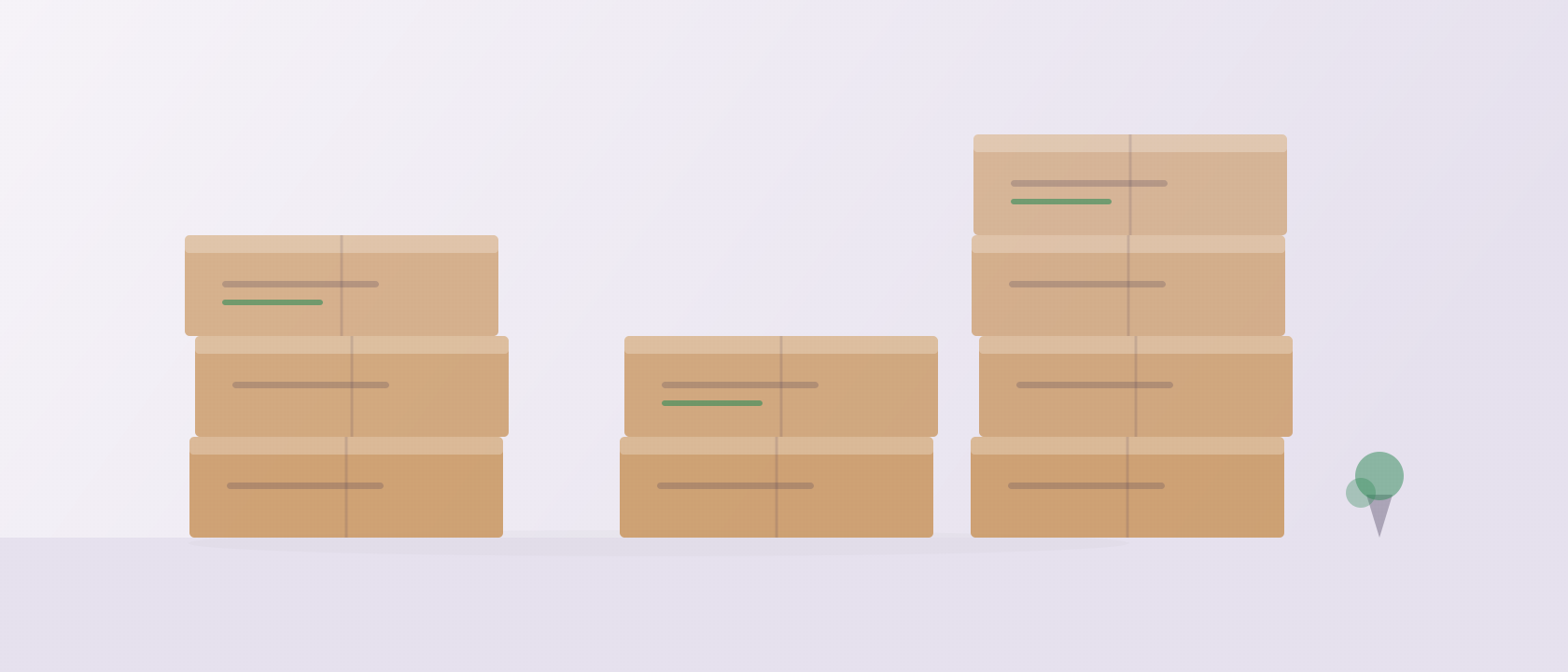
Two rules cover most of packing: heavy items go in small boxes, and every box gets labeled by room and contents. Everything else is refinement.
Supplies for a typical three-bedroom home
| Item | Quantity | Use |
|---|---|---|
| Small boxes (1.5 cu ft) | 25 – 35 | Books, tools, canned goods, anything dense |
| Medium boxes (3 cu ft) | 30 – 40 | Kitchen items, toys, small appliances |
| Large boxes (4.5 cu ft) | 15 – 25 | Bedding, pillows, lampshades, light bulky items |
| Dish barrels | 4 – 6 | Dishes, glassware |
| Wardrobe boxes | 3 – 6 | Hanging clothes |
| Packing paper | 10 – 15 lbs | Wrapping — newsprint ink transfers, so use unprinted |
| Bubble wrap | 1 – 2 rolls | Electronics, art, fragile decor |
| Packing tape | 8 – 12 rolls | Always more than you think |
| Markers and labels | several | Labeling system |
The order to pack in
- Storage areas, attic, basement, garage — least used, most to purge
- Guest rooms and formal spaces
- Books, decor, and off-season clothing
- Secondary bedrooms
- Living areas, leaving daily-use items until the end
- Primary bedroom
- Kitchen, last and slowest
- Bathrooms and essentials, on the final day
Labeling that saves hours
- Write the destination room and a short contents list on two sides and the top — never only the top
- Number each box and keep a simple list of what is in each number
- Use a color per room with tape or dots, and post a matching color card on each door at the new house
- Mark boxes to open first with a distinct color or the word FIRST
- Write FRAGILE and THIS SIDE UP on the sides, where they are visible when stacked
Fragile items
- Plates travel on edge, like records, not stacked flat
- Wrap each glass individually and fill every void so nothing shifts
- Use dish barrels for glassware; the double wall matters
- Photograph the back of your television and electronics before unplugging
- Remove bulbs and shades from lamps and pack them separately
- Mirrors and art need corner protectors and a flat-pack box, transported on edge
- Mark a fragile box no more than three quarters full and top with soft padding
What travels with you
- Medication, glasses, and medical devices
- Passports, birth certificates, deeds, titles, and insurance documents
- Jewelry, cash, and small valuables
- Laptops, external drives, and backups
- Keys and garage remotes
- Chargers, a phone bank, and a basic tool kit
- Two days of clothing per person and pet supplies
What movers cannot take
Flammables, corrosives, and explosives are prohibited: propane tanks, gasoline, paint, aerosols, pool chemicals, ammunition, and fire extinguishers. Also generally excluded are perishables and live plants on long-distance moves, and some states restrict plant entry entirely. Dispose of chemicals through a household hazardous waste program rather than the trash.
Frequently asked questions
How many boxes do I need to move?
Roughly 30 boxes per room for a full household is a common estimate, though it varies enormously. Most people underestimate the kitchen and the garage.
Should I pay movers to pack for me?
Full packing typically adds a meaningful amount to the bill, but it dramatically reduces time and stress, and professionally packed items are covered more favorably in a damage claim. Partial packing of just the kitchen and fragile items is a good middle option.
How do I move plants?
Transport them yourself where possible. Many long-distance movers will not carry live plants, and some states restrict bringing certain plants across their borders.